
Finding the right makeup routine can be challenging for those with acne-prone skin. As acne is a common skin condition that affect millions of people worldwide. It occurs when hair follicles become clogged with oil and dead skin cells, leading to the formation of pimples, blackheads, whiteheads, and other types of lesions on the skin. Acne can occur on various parts of the body, but it is most commonly found on the face, chest, back, and shoulders.
There are several factors that contribute to the development of acne. One of the primary causes is an increase in sebum production. Sebum is an oily substance produced by the sebaceous glands in the skin. When there is an excess production of sebum, it can mix with dead skin cells and clog the hair follicles, leading to the formation of acne.
Hormonal changes also play a significant role in acne development. During puberty, there is an increase in hormone production, particularly androgens such as testosterone. These hormones can stimulate the sebaceous glands to produce more sebum, making teenagers more prone to developing acne. Hormonal fluctuations during menstrual cycles or pregnancy can also contribute to acne breakouts in women.
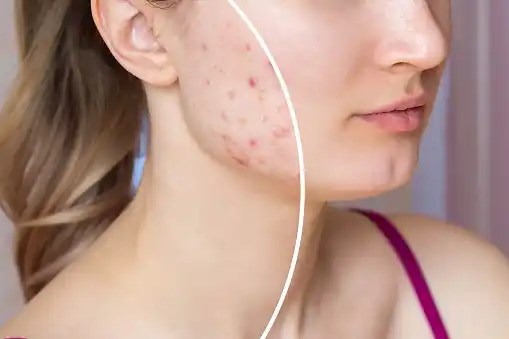
Another contributing factor to acne is the presence of bacteria called Propionibacterium acnes (P. acnes) on the skin. This bacterium is normally present on the skin but can multiply rapidly in clogged hair follicles, leading to inflammation and acne formation.
Certain lifestyle factors can worsen acne or trigger breakouts. These include:
- Diet: Some studies suggest that high glycemic index foods (such as sugary snacks and processed carbohydrates) and dairy products may exacerbate acne symptoms in some individuals. However, more research is needed to establish a definitive link between diet and acne.
- Stress: Stress can worsen existing acne or trigger new breakouts due to hormonal changes in the body.
- Skincare products: Using certain skincare products that are comedogenic (tend to clog pores) or irritating can contribute to acne development. It is important to choose non-comedogenic and gentle products suitable for acne-prone skin.
Treatment options for acne can depend on the severity of the condition. Mild cases of acne can often be managed with over-the-counter topical treatments containing ingredients like benzoyl peroxide, salicylic acid, or retinoids. These products help to unclog pores, reduce inflammation, and prevent new acne lesions from forming.
For more severe cases of acne, prescription medications may be necessary. These can include topical or oral antibiotics to control bacterial growth, hormonal therapies (such as oral contraceptives or spironolactone) to regulate hormone levels, or isotretinoin (Accutane) for severe and resistant acne.
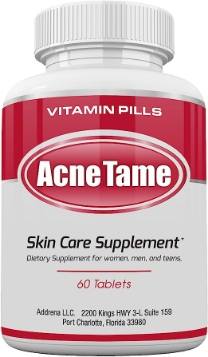
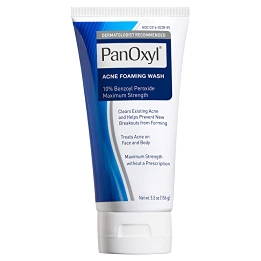
In addition to medication, dermatologists may also recommend certain procedures to treat acne. These can include:
- Chemical peels: A chemical solution like Glycolic acid 70% Gel is applied to the skin to exfoliate the outer layer and unclog pores.
- Microdermabrasion: A device like Trophy Skin MicrodermMD is used to gently exfoliate the skin and remove dead skin cells, helping to improve acne symptoms.
- Laser or light therapy: Certain wavelengths of light like Led Face Mask Light Therapy can target and destroy P. acnes bacteria or reduce sebum production in the skin.
One thing you will know is that treating acne requires patience, and It is crucial to follow a consistent skincare routine, avoid picking or squeezing pimples, and protect the skin from excessive sun exposure.
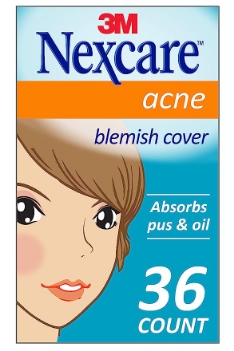
Now let’s look at the step-by-step guidelines on how to achieve this flawless makeup look while minimizing the risk of aggravating acne.
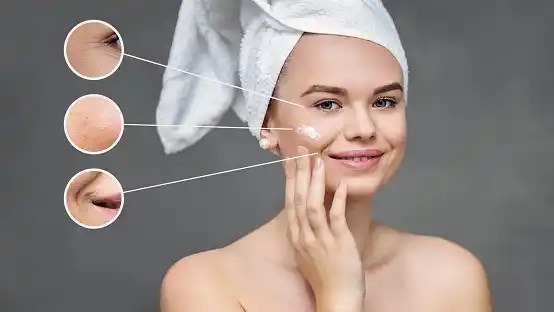
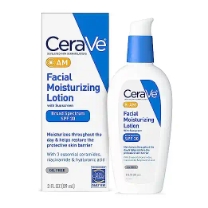
Prepping the Skin: Before applying any makeup, it is crucial to properly cleanse and moisturize the skin. Start by washing your face with a gentle cleanser suitable for acne-prone skin. Look for products that contain ingredients like salicylic acid or benzoyl peroxide, which can help control acne breakouts. After cleansing, apply a lightweight, oil-free moisturizer to hydrate the skin without clogging pores.
Primer: Using a primer specifically formulated for acne-prone skin can create a smooth canvas for makeup application and help control excess oil production. Look for primers that are non-comedogenic and oil-free to prevent pore blockage.
Foundation: When choosing a foundation for acne-prone skin, look for formulas that are non-comedogenic, oil-free, and labeled as “acne-friendly” or “suitable for sensitive skin.” These foundations are less likely to clog pores or trigger breakouts.
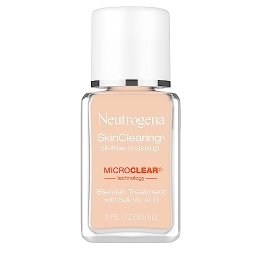
To apply foundation, use a clean brush or sponge and start by dotting small amounts of foundation onto the areas that require coverage. Gently blend the foundation using circular motions, ensuring an even application. Build up coverage gradually if needed, rather than applying a thick layer all at once.
Concealer: Concealers can be used to cover up blemishes, redness, and acne scars. Choose a concealer that matches your skin tone and has a creamy consistency.
Apply the concealer directly onto the blemishes or areas of concern using a small brush or clean fingertip. Gently blend the edges of the concealer into the surrounding skin for a seamless finish.
Setting Powder: To help set the foundation and concealer in place, use a translucent or mineral-based setting powder. These powders can help control excess oil and prevent makeup from sliding off throughout the day. Apply a light dusting of powder using a fluffy brush, focusing on the T-zone or areas prone to shine.
Blush and Bronzer: When selecting blush and bronzer for acne-prone skin, opt for powder formulas instead of cream or liquid products. Powder formulas are less likely to clog pores and can provide a natural-looking flush or contour.
Apply blush to the apples of the cheeks using a soft brush, blending it towards the temples. For bronzer, lightly dust it onto the hollows of the cheeks, temples, and jawline to add warmth and dimension to the face.
Eye Makeup: For eye makeup, choose eyeshadows that are non-comedogenic and avoid heavy shimmer or glitter formulas that may emphasize texture on acne-prone skin. Opt for matte or satin finishes instead.
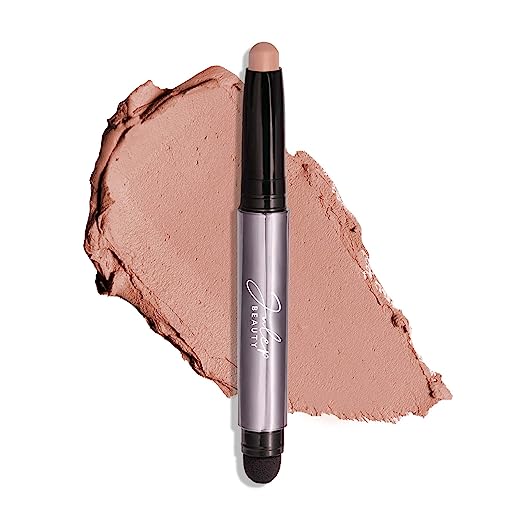
Apply eyeshadow as desired, keeping in mind your personal preferences and eye shape. Use an eyeliner pencil or gel liner along the lash line for definition, avoiding applying it directly onto any active breakouts. Finish with mascara on the lashes for added volume and length.
Lips: When it comes to lip products, choose non-comedogenic formulas that are less likely to cause breakouts around the mouth area. Avoid heavy, long-wearing liquid lipsticks that can be drying and potentially irritate the skin.
Apply a lip balm or hydrating lipstick to keep the lips moisturized and comfortable throughout the day. Opt for shades that complement your overall makeup look.
Removal: At the end of the day, it is essential to thoroughly remove all makeup from your skin. Use a gentle cleanser suitable for acne-prone skin to wash away any traces of makeup, followed by a moisturizer to keep the skin hydrated.
Similar Article: How to Treat acne overnight
 Looking Good Always
Leave a comment